
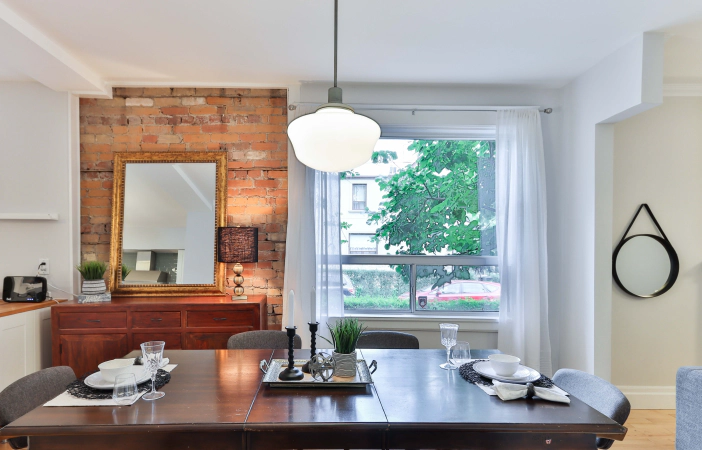

In the hustle and bustle of modern life, we often find ourselves longing for simplicity, purpose, and a sense of balance. The Mid-Century Modern movement, which took place from the 1940s to the 1960s, continues to inspire us with its timeless design, minimalism, and connection to nature. But it’s not just about aesthetics; it’s about the underlying principles that can teach us valuable lessons to increase our happiness. In this article, we’ll explore the various aspects of the Mid-Century Modern lifestyle that resonate with us today and uncover the secrets to finding joy and contentment in our own lives. So, fasten your seatbelts and let’s take a journey to discover what we can learn from the Mid-Century Modern lifestyle to enhance our well-being.
Why Mid-Century Modern Lifestyle Still Resonates Today
The Mid-Century Modern lifestyle continues to resonate with us today for several reasons. One of the key factors is the influence of Mid-Century Modern design, which remains a significant source of inspiration for contemporary designers and homeowners alike. The clean lines, organic shapes, and innovative use of materials found in Mid-Century Modern design have become timeless symbols of sophistication and style.
Beyond aesthetics, the Mid-Century Modern movement embraced minimalism and functionalism as core principles. In a world filled with excess and overwhelming choices, the idea of decluttering our lives and focusing on what truly matters has never been more relevant. By adopting a minimalist mindset, we can create a sense of calm and simplicity, allowing us to prioritize and appreciate the things that bring us genuine joy.
A clutter-free environment not only brings a sense of peace but also paves the way for increased happiness. Embracing the philosophy of “less is more” can lead to a clearer mind and improved well-being. By eliminating unnecessary possessions and organizing our spaces with purpose, we create room for meaningful experiences and connections. Designing with practicality and purpose in mind allows us to live more intentionally, ensuring every item or element in our environment serves a specific function or brings us joy.
In addition to minimalist principles, the Mid-Century Modern lifestyle encourages us to embrace nature and natural materials. By integrating elements inspired by the natural world, such as wood, stone, and organic shapes, we can create spaces that evoke a sense of harmony and tranquility. Connecting with nature has been scientifically proven to enhance our mental and emotional well-being, providing a much-needed respite from the stresses of modern life.
Finally, incorporating Mid-Century Modern elements into our homes allows us to infuse our spaces with a timeless style. From iconic furniture pieces to bold color choices, Mid-Century Modern design offers a range of options for those seeking to add a touch of retro charm to their living spaces. By combining classic aesthetics with contemporary elements, we can create homes that reflect our unique personalities and make us feel truly at ease.
In the following sections, we will delve deeper into these aspects, examining how the influence of Mid-Century Modern design, the principles of minimalism and functionalism, the integration of nature, and the incorporation of timeless style can all contribute to increasing our happiness. So, let’s embark on this journey to uncover the wisdom and lessons hidden within the Mid-Century Modern lifestyle.
The Influence of Mid-Century Modern Design
The influence of Mid-Century Modern design extends far beyond its aesthetic appeal. This design movement had a significant impact on the way we think about architecture, interior design, and even everyday objects. One of the key contributors to the enduring influence of Mid-Century Modern design is its focus on innovation and experimentation.
During the mid-20th century, designers and architects of the movement pushed the boundaries of traditional design norms. By embracing new materials, technologies, and construction techniques, they created groundbreaking designs that challenged the status quo. The use of materials like plywood, steel, and plastic revolutionized the manufacturing process and allowed for the creation of sleek, minimalist forms.
Furthermore, the emphasis on functionality and practicality in Mid-Century Modern design resonates strongly with contemporary sensibilities. The movement sought to create designs that were not only visually pleasing but also highly functional and purposeful. Furniture pieces were designed to be comfortable, efficient, and adaptable to various living spaces, reflecting the changing needs of society.
Mid-Century Modern design also emphasized the integration of indoor and outdoor spaces, blurring the line between nature and the built environment. Large windows, open floor plans, and the incorporation of natural materials connected residents to the surrounding environment. This focus on nature and natural light continues to inspire modern architects and designers, as the connection to the outdoors has been proven to enhance well-being and productivity.
Moreover, the influence of Mid-Century Modern design can be seen in the enduring popularity of iconic furniture pieces. From the iconic Eames Lounge Chair to the streamlined designs of Scandinavian-inspired furniture, these pieces have become timeless classics that are still sought after today. The clean lines, organic shapes, and attention to detail that define Mid-Century Modern furniture have made them staples in contemporary interiors, proving that good design is indeed timeless.
In conclusion, the influence of Mid-Century Modern design goes far beyond its distinctive aesthetic. Its focus on innovation, functionality, integration with nature, and timeless appeal have ensured its relevance and enduring popularity. By embracing the principles of Mid-Century Modern design in our own lives, we can learn to appreciate good design, surround ourselves with functional and beautiful objects, and create spaces that enhance our well-being and happiness.
Minimalism and Functionalism: Finding Balance in Life
In a world filled with constant distractions and the pressure to accumulate more, the principles of minimalism and functionalism embraced by the Mid-Century Modern lifestyle offer valuable lessons in finding balance and increasing our overall happiness.
By adopting a minimalist approach, we prioritize what truly matters and let go of the unnecessary. The idea of living with less clutter and excess possessions may seem daunting at first, but it ultimately frees up physical and mental space for the things that bring us genuine joy. Minimalism encourages us to be more intentional with our choices, whether it’s the clothes we wear, the objects we surround ourselves with, or the activities we engage in. By shedding the excess, we create a sense of calm and simplicity that can lead to a more fulfilling and purposeful life.
Less clutter not only provides a visually serene environment but also reduces the mental load we often carry. When we are surrounded by fewer distractions, we can focus more on the present moment and the experiences and relationships that truly matter. Minimalism encourages us to declutter not just our physical spaces but also our minds, allowing us to cultivate clarity and a greater sense of self.
Functionalism, another key aspect of Mid-Century Modern design, complements minimalism by emphasizing the purpose and practicality of objects and spaces. Functional design ensures that every item or element serves a specific function and is optimized for usability. By surrounding ourselves with objects that are not only aesthetically pleasing but also serve a purpose, we create an environment that supports and simplifies our everyday lives.
Designing our space with practicality and purpose can extend beyond the physical realm. It means considering the layout of our homes, the organization of our belongings, and the systems we have in place to streamline our routines. By prioritizing functionality, we can create an environment that reduces stress, increases efficiency, and allows us to focus on the activities and experiences that truly bring us joy.
Incorporating minimalism and functionalism into our lives requires a mindset shift and a commitment to living with intention. It may involve decluttering our physical spaces, organizing our belongings, and prioritizing quality over quantity. By embracing these principles, we can navigate the complexities of modern life with greater ease and find a sense of balance that ultimately contributes to our overall happiness.
Less Clutter, More Happiness
In a world dominated by consumerism and the accumulation of possessions, the idea of less clutter may seem counterintuitive. However, the Mid-Century Modern lifestyle teaches us that reducing clutter can bring about a sense of liberation and, ultimately, more happiness.
Clutter not only takes up physical space but also creates mental and emotional weight. The constant visual noise and disarray can have a significant impact on our overall well-being, leading to feelings of stress, overwhelm, and even anxiety. By decluttering our living spaces and letting go of unnecessary possessions, we create room for a sense of calm and serenity.
Living with less clutter allows us to curate our environment intentionally. We have the opportunity to surround ourselves only with items that truly bring us joy and serve a purpose. This mindful approach to our belongings can lead to a greater appreciation for what we have and a deeper connection to the things we truly value.
Moreover, the process of decluttering can be a transformative journey of self-discovery. As we let go of material possessions, we often find ourselves shedding emotional baggage as well. Releasing the attachment to objects allows us to focus more on experiences, relationships, and personal growth. It opens up space for self-reflection, clarity, and a greater sense of freedom.
By reducing clutter, we create a more harmonious and organized living space, which can significantly impact our productivity and efficiency. A clutter-free environment fosters a clear and focused mind, enabling us to be more present and engaged in our daily activities. It eliminates distractions and allows us to prioritize our time and energy on what truly matters.
Ultimately, less clutter means more freedom to live life on our own terms. It means breaking free from the pressures of materialism and redefining our relationship with possessions. By valuing experiences and connections over mere accumulation, we can cultivate a sense of happiness that is not dependent on external factors.
So, take a moment to evaluate your living spaces and identify areas of clutter. Embrace the liberating journey of decluttering and experience the transformative power of living with less. Rediscover the joy and happiness that come from having a clutter-free, harmonious environment.
Designing Space for Practicality and Purpose
Mid-Century Modern design not only prioritizes aesthetics but also places great emphasis on practicality and purpose. Designing our living spaces with intention and functionality can have a profound impact on our overall well-being and happiness.
When we design our spaces for practicality, we consider how we can optimize the layout, organization, and flow of our homes. Each room and its furnishings are carefully thought out to serve specific functions and make our lives easier. Whether it’s creating designated areas for work or study, incorporating ample storage solutions, or ensuring easy accessibility to everyday essentials, practical design choices can greatly enhance our daily routines and productivity.
Moreover, a practical space promotes efficiency and reduces the stress associated with navigating a cluttered or chaotic environment. When everything has its place and purpose, we spend less time searching for items, cleaning up, or feeling overwhelmed by a disorganized space. A well-designed, practical home can streamline our lives and free up time and mental energy for what truly matters.
Designing our spaces with purpose extends beyond the purely functional. It involves creating an environment that aligns with our values and supports our desired lifestyle. By thoughtfully selecting furniture, decor, and even color schemes, we can cultivate an atmosphere that evokes specific emotions and reflects our personal aesthetics. Purposeful design choices help us create a space that resonates with our unique preferences and enhances our overall sense of happiness and contentment.
Incorporating Mid-Century Modern principles of practicality and purpose not only transforms our living spaces but also extends to other areas of our lives. It encourages us to consider the intent and functionality of the items we bring into our homes, as well as the experiences and relationships we nurture. By aligning our external environments with our internal values and aspirations, we can create a life that is purposeful, meaningful, and in harmony with our true selves.
So, take a step back and assess your living spaces. Consider how you can design them to better serve your needs and bring practicality and purpose into your everyday life. Embrace the power of intentional design and create an environment that supports your well-being and helps you thrive.
Embracing Nature and Natural Materials
In today’s fast-paced and technology-driven world, the Mid-Century Modern lifestyle reminds us of the importance of reconnecting with nature and embracing natural materials. This aspect of the movement resonates deeply, as studies have shown that our connection to the natural world has a profound impact on our overall well-being and happiness.
Embracing nature in our living spaces allows us to create a sense of tranquility and harmony. Whether it’s through the use of large windows that invite natural light to flood our rooms, incorporating indoor plants to bring life and vibrancy, or integrating natural materials such as wood and stone into our decor, we can establish a connection with the outdoors even within our built environments. This connection can evoke feelings of peace, grounding, and a deeper sense of connection to the world around us.
Beyond aesthetic appeal, the presence of nature indoors has been shown to have numerous health benefits. Research suggests that exposure to natural elements can reduce stress, boost mood, and improve cognitive function. Indoor plants, in particular, purify the air and create a healthier living environment. By bringing a slice of nature into our homes, we can enhance our physical and mental well-being.
In addition to incorporating natural elements, the Mid-Century Modern lifestyle encourages the use of sustainable and eco-friendly materials. By consciously choosing natural materials, such as responsibly sourced woods and renewable resources, we can reduce our environmental footprint and contribute to a more sustainable future. These materials not only enhance the aesthetic appeal of our spaces but also align with our values of ethical consumption and environmental responsibility.
Embracing nature and natural materials in our living spaces is not limited to the physical aspect of our homes. It also extends to our lifestyle and how we engage with the natural world outside. Taking time to immerse ourselves in nature, whether it’s through spending time in parks, hiking in the woods, or simply taking a walk in our neighborhood, can have immense psychological and emotional benefits. Connecting with nature reminds us of our place in the larger ecosystem and can fill us with a sense of awe, gratitude, and a deep appreciation for the beauty that surrounds us.
So, let’s bring the outside in. Let’s embrace the beauty of nature and incorporate natural elements and materials into our living spaces. By doing so, we not only enhance the aesthetic appeal of our homes but also cultivate a deeper connection to the natural world, leading to increased happiness, well-being, and a greater sense of harmony in our lives.
Timeless Style: Incorporating Mid-Century Modern Elements in Your Home
One of the remarkable qualities of the Mid-Century Modern lifestyle is its timeless style. Incorporating Mid-Century Modern elements into our homes allows us to infuse our spaces with a sense of retro charm while still maintaining a contemporary and relevant aesthetic.
When it comes to incorporating Mid-Century Modern elements, it’s important to strike a balance between nostalgia and modernity. Selecting iconic furniture pieces that epitomize the era is a great starting point. The clean lines, organic shapes, and innovative use of materials that define Mid-Century Modern design make these pieces stand the test of time. Whether it’s a classic Eames lounge chair, a Nelson bubble lamp, or a Noguchi coffee table, these iconic pieces become focal points that anchor the style of your space.
In addition to classic furniture, color plays an essential role in establishing a Mid-Century Modern vibe. Bold and vibrant color palettes were prevalent during this era, so don’t be afraid to experiment with shades such as mustard yellow, teal, and burnt orange. Incorporating these rich hues through accent pieces, artwork, or even paint can add a pop of retro flair to your home.
When it comes to decor, consider incorporating elements that reflect the era’s fascination with nature. Think botanical prints, geometric patterns, and abstract art inspired by the organic shapes found in Mid-Century Modern design. Adding these design elements to your space contributes to a cohesive and unified aesthetic that is both visually appealing and reminiscent of a bygone era.
To maintain a contemporary feel while still incorporating Mid-Century Modern style, consider blending in modern or current design elements. Avoid going overboard with the retro theme by incorporating neutral tones and contemporary textures. This combination of old and new creates a sense of balance and ensures that your space feels fresh and relevant.
Remember, the key to incorporating Mid-Century Modern elements is to embrace the style in a way that works for you and your space. Whether you choose to fully immerse your home in the Mid-Century Modern aesthetic or selectively integrate pieces, the goal is to create a space that reflects your unique personality and makes you feel at ease.
In conclusion, by embracing the timeless style of Mid-Century Modern design, we can add a touch of retro charm while creating a contemporary, eclectic space. The key is to strike a balance between nostalgia and modernity, incorporating iconic furniture, vibrant colors, and nature-inspired decor. Whether it’s a single statement piece or a fully immersive Mid-Century Modern design, embracing this style allows us to blend the past with the present, resulting in a living space that is both visually appealing and authentically reflective of our personal style.