
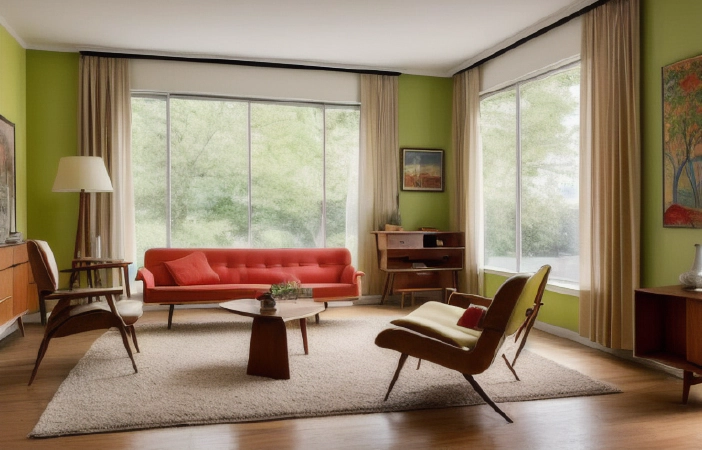

Welcome to Fiftern, your go-to resource for all things mid-century modern design!
In this post, we’ll be diving deep into the world of mid-century modern design, specifically focusing on what it is and how it has influenced the world of furniture. If you have ever wondered what makes a piece of furniture “mid-century modern” or if you are simply curious about the history and origins of this iconic design movement, you’re in the right place. So, let’s get started and explore the fascinating world of mid-century modern design together!
The Origins of Mid-Century Modern Design
Mid-century modern design emerged in the mid-20th century, specifically between the 1940s and 1960s. It was a response to the changing social, political, and technological landscape of the time. After the devastation of World War II, there was a sense of optimism and a desire for a fresh start. This new design movement sought to break away from the ornate and heavy styles of the past, instead embracing simplicity, functionality, and a forward-looking aesthetic.
One of the key influences behind mid-century modern design was the Bauhaus movement, which originated in Germany in the early 20th century. The Bauhaus school of thought emphasized the integration of art, craft, and technology, and its principles heavily influenced the mid-century modern style. The emphasis on functionality, clean lines, and a harmonious relationship between form and function was central to both movements.
Another significant influence on mid-century modern design was the Scandinavian design aesthetic. Scandinavian designers, such as Arne Jacobsen and Eero Saarinen, brought their minimalist approach and focus on quality craftsmanship to the forefront. Their designs showcased sleek lines, organic shapes, and the use of natural materials, creating a sense of warmth and simplicity that became synonymous with mid-century modern design.
The post-war economic boom in the United States also played a role in the rise of mid-century modern design. This period of prosperity allowed for the mass production of furniture and other consumer goods, making well-designed and affordable pieces accessible to a wider population. Designers like Charles and Ray Eames took advantage of new materials and manufacturing techniques, creating iconic furniture pieces that blended form and function seamlessly.
Overall, the origins of mid-century modern design can be traced back to a combination of cultural, artistic, and technological influences. It was a response to the changing times and a reflection of the desire for a more modern and optimistic future. The movement’s focus on simplicity, functionality, and timeless design principles continues to captivate and inspire designers and enthusiasts today. Stay tuned as we explore the key features of mid-century modern furniture in the next section!
Key Features of Mid-Century Modern Furniture
When it comes to mid-century modern furniture, there are several key features that set it apart from other design styles. These characteristics are what make mid-century modern furniture timeless and highly sought-after even decades after its inception.
First and foremost, mid-century modern furniture emphasizes clean lines and simplicity. Gone are the excessive ornamentations and intricate detailing of traditional furniture styles. Instead, mid-century modern pieces boast sleek, straight lines and smooth curves that create a sense of elegance and sophistication. The focus is on the beauty of simplicity, where every line and curve serves a purpose.
In addition to clean lines, mid-century modern furniture is known for its organic shapes and forms. Inspired by nature, designers in this movement incorporated curves and contours reminiscent of the natural world into their pieces. Chairs with molded seats, tables with flowing forms, and lamps with abstract shapes are all common examples of the organic design elements found in mid-century modern furniture.
Another prominent feature of mid-century modern furniture is the use of innovative materials. Designers during this era eagerly embraced new materials and manufacturing techniques to push the boundaries of furniture design. Plastic, plywood, fiberglass, and metal were among the materials commonly used to create lightweight yet sturdy pieces. These materials allowed for innovative shapes and forms, as well as mass production, making mid-century modern furniture accessible to a wider audience.
Furthermore, mid-century modern furniture showcases a harmony between form and function. The pieces are not only aesthetically pleasing but also designed with practicality in mind. Every curve, every angle, every feature of the furniture is carefully considered to enhance its functionality. A prime example is the Eames Lounge Chair and Ottoman, which marries luxurious comfort with a sleek and timeless design.
Lastly, mid-century modern furniture often incorporates vibrant colors and bold patterns. From earthy tones like mustard yellow and avocado green to vibrant hues like turquoise and orange, these colors add a playful and energetic touch to the overall design. Geometric patterns and abstract prints also make appearances, injecting personality and character into the furniture.
The influence of mid-century modern design can still be seen today in contemporary furniture and interior design. Its clean lines, organic shapes, focus on functionality, and use of innovative materials continue to inspire designers and homeowners alike. Whether you’re a longtime fan of mid-century modern or new to the style, incorporating these key features into your space can instantly bring a touch of timeless elegance and modern flair. In the next section, we’ll explore the lasting influence of mid-century modern design in today’s world.
The Influence of Mid-Century Modern Design Today
The influence of mid-century modern design can be seen in various aspects of our lives today, from furniture to architecture to fashion. Its enduring popularity and timeless appeal are a testament to the impact it has had on the world of design.
One area where mid-century modern design continues to thrive is in furniture. Many contemporary furniture pieces draw inspiration from the clean lines, organic shapes, and functional aspects of mid-century modern design. The simplicity and versatility of these pieces make them a perfect fit for modern, minimalist interiors. Whether it’s a sleek lounge chair, a streamlined sofa, or a minimalist dining table, mid-century modern furniture can seamlessly blend with a range of interior styles, from Scandinavian to bohemian to industrial.
Not only has mid-century modern design influenced furniture, but it has also left its mark on architecture. The open floor plans, large windows, and emphasis on indoor-outdoor living that we often associate with modern homes owe a debt to mid-century modern design. Architects like Frank Lloyd Wright and Richard Neutra were pioneers of this style, creating homes that seamlessly integrated with their natural surroundings and promoted a sense of harmony between the built environment and nature.
In the realm of fashion, the influence of mid-century modern design can be seen in the clean lines, minimalism, and timeless elegance that many fashion designers incorporate into their collections. The iconic styles of the 1950s and 1960s, with their tailored silhouettes, bold prints, and use of innovative materials, continue to inspire fashion trends today. From timeless sheath dresses to statement sunglasses, mid-century modern design elements have a lasting presence in the fashion world.
Beyond interior design, architecture, and fashion, mid-century modern design has also influenced other areas such as graphic design and product packaging. The use of bold typography, geometric shapes, and vibrant colors in graphic design can often be traced back to the mid-century modern era. Advertising and branding have also been influenced by the simplicity and visual impact of mid-century modern design, with many companies drawing inspiration from the iconic logos and advertisements of that time.
In conclusion, mid-century modern design has had a significant influence on various disciplines and continues to inspire and captivate designers, homeowners, and enthusiasts today. Its timeless appeal, focus on functionality, and clean, elegant aesthetic make it a style that transcends trends and stands the test of time. Whether you’re furnishing your home, designing a new product, or simply seeking inspiration, the influence of mid-century modern design is a valuable resource that can infuse your space with style, sophistication, and a touch of nostalgia.
Article for “What is Mid-Century Modern Design?”:
Welcome to Fiftern, your go-to resource for all things mid-century modern design!
In this post, we’ll be diving deep into the world of mid-century modern design, specifically focusing on what it is and how it has influenced the world of furniture. If you have ever wondered what makes a piece of furniture “mid-century modern” or if you are simply curious about the history and origins of this iconic design movement, you’re in the right place. So, let’s get started and explore the fascinating world of mid-century modern design together!
The Origins of Mid-Century Modern Design
Mid-century modern design emerged in the mid-20th century, specifically between the 1940s and 1960s. It was a response to the changing social, political, and technological landscape of the time. After the devastation of World War II, there was a sense of optimism and a desire for a fresh start. This new design movement sought to break away from the ornate and heavy styles of the past, instead embracing simplicity, functionality, and a forward-looking aesthetic.
One of the key influences behind mid-century modern design was the Bauhaus movement, which originated in Germany in the early 20th century. The Bauhaus school of thought emphasized the integration of art, craft, and technology, and its principles heavily influenced the mid-century modern style. The emphasis on functionality, clean lines, and a harmonious relationship between form and function was central to both movements.
Another significant influence on mid-century modern design was the Scandinavian design aesthetic. Scandinavian designers, such as Arne Jacobsen and Eero Saarinen, brought their minimalist approach and focus on quality craftsmanship to the forefront. Their designs showcased sleek lines, organic shapes, and the use of natural materials, creating a sense of warmth and simplicity that became synonymous with mid-century modern design.
The post-war economic boom in the United States also played a role in the rise of mid-century modern design. This period of prosperity allowed for the mass production of furniture and other consumer goods, making well-designed and affordable pieces accessible to a wider population. Designers like Charles and Ray Eames took advantage of new materials and manufacturing techniques, creating iconic furniture pieces that blended form and function seamlessly.
Overall, the origins of mid-century modern design can be traced back to a combination of cultural, artistic, and technological influences. It was a response to the changing times and a reflection of the desire for a more modern and optimistic future. The movement’s focus on simplicity, functionality, and timeless design principles continues to captivate and inspire designers and enthusiasts today. Stay tuned as we explore the key features of mid-century modern furniture in the next section!
Key Features of Mid-Century Modern Furniture
When it comes to mid-century modern furniture, there are several key features that set it apart from other design styles. These characteristics are what make mid-century modern furniture timeless and highly sought-after even decades after its inception.
First and foremost, mid-century modern furniture emphasizes clean lines and simplicity. Gone are the excessive ornamentations and intricate detailing of traditional furniture styles. Instead, mid-century modern pieces boast sleek, straight lines and smooth curves that create a sense of elegance and sophistication. The focus is on the beauty of simplicity, where every line and curve serves a purpose.
In addition to clean lines, mid-century modern furniture is known for its organic shapes and forms. Inspired by nature, designers in this movement incorporated curves and contours reminiscent of the natural world into their pieces. Chairs with molded seats, tables with flowing forms, and lamps with abstract shapes are all common examples of the organic design elements found in mid-century modern furniture.
Another prominent feature of mid-century modern furniture is the use of innovative materials. Designers during this era eagerly embraced new materials and manufacturing techniques to push the boundaries of furniture design. Plastic, plywood, fiberglass, and metal were among the materials commonly used to create lightweight yet sturdy pieces. These materials allowed for innovative shapes and forms, as well as mass production, making mid-century modern furniture accessible to a wider audience.
Furthermore, mid-century modern furniture showcases a harmony between form and function. The pieces are not only aesthetically pleasing but also designed with practicality in mind. Every curve, every angle, every feature of the furniture is carefully considered to enhance its functionality. A prime example is the Eames Lounge Chair and Ottoman, which marries luxurious comfort with a sleek and timeless design.
Lastly, mid-century modern furniture often incorporates vibrant colors and bold patterns. From earthy tones like mustard yellow and avocado green to vibrant hues like turquoise and orange, these colors add a playful and energetic touch to the overall design. Geometric patterns and abstract prints also make appearances, injecting personality and character into the furniture.
The influence of mid-century modern design can still be seen today in contemporary furniture and interior design. Its clean lines, organic shapes, focus on functionality, and use of innovative materials continue to inspire designers and homeowners alike. Whether you’re a longtime fan of mid-century modern or new to the style, incorporating these key features into your space can instantly bring a touch of timeless elegance and modern flair. In the next section, we’ll explore the lasting influence of mid-century modern design in today’s world.
The Influence of Mid-Century Modern Design Today
The influence of mid-century modern design can be seen in various aspects of our lives today, from furniture to architecture to fashion. Its enduring popularity and timeless appeal are a testament to the impact it has had on the world of design.
One area where mid-century modern design continues to thrive is in furniture. Many contemporary furniture pieces draw inspiration from the clean lines, organic shapes, and functional aspects of mid-century modern design. The simplicity and versatility of these pieces make them a perfect fit for modern, minimalist interiors. Whether it’s a sleek lounge chair, a streamlined sofa, or a minimalist dining table, mid-century modern furniture can seamlessly blend with a range of interior styles, from Scandinavian to bohemian to industrial.
Not only has mid-century modern design influenced furniture, but it has also left its mark on architecture. The open floor plans, large windows, and emphasis on indoor-outdoor living that we often associate with modern homes owe a debt to mid-century modern design. Architects like Frank Lloyd Wright and Richard Neutra were pioneers of this style, creating homes that seamlessly integrated with their natural surroundings and promoted a sense of harmony between the built environment and nature.
In the realm of fashion, the influence of mid-century modern design can be seen in the clean lines, minimalism, and timeless elegance that many fashion designers incorporate into their collections. The iconic styles of the 1950s and 1960s, with their tailored silhouettes, bold prints, and use of innovative materials, continue to inspire fashion trends today. From timeless sheath dresses to statement sunglasses, mid-century modern design elements have a lasting presence in the fashion world.
Beyond interior design, architecture, and fashion, mid-century modern design has also influenced other areas such as graphic design and product packaging. The use of bold typography, geometric shapes, and vibrant colors in graphic design can often be traced back to the mid-century modern era. Advertising and branding have also been influenced by the simplicity and visual impact of mid-century modern design, with many companies drawing inspiration from the iconic logos and advertisements of that time.
In conclusion, mid-century modern design has had a significant influence on various disciplines and continues to inspire and captivate designers, homeowners, and enthusiasts today. Its timeless appeal, focus on functionality, and clean, elegant aesthetic make it a style that transcends trends and stands the test of time. Whether you’re furnishing your home, designing a new product, or simply seeking inspiration, the influence of mid-century modern design is a valuable resource that can infuse your space with style, sophistication, and a touch of nostalgia.