
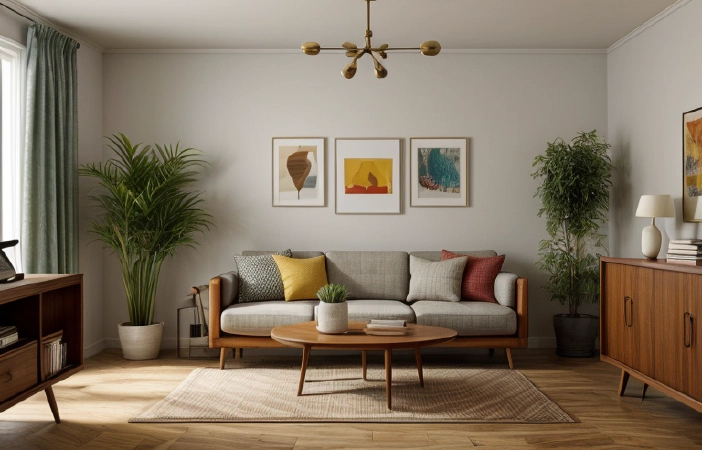

Welcome to Fiftern, where we celebrate all things mid-century modern design!
Today, we dive into the timeless allure of mid-century modern design and its enduring legacy. From the iconic furniture to the innovative minds behind it, mid-century modern design has left an indelible mark on the world of interior design and continues to captivate design enthusiasts to this day. So, grab a cup of coffee, sit back, and join us as we explore the lasting influence of mid-century modern design.
The Pioneers of Mid-Century Modern Design
Mid-century modern design was propelled into the limelight by visionary designers who broke away from traditional conventions and embraced a new aesthetic. Two prominent figures in this movement were Charles and Ray Eames, often hailed as the innovators and icons of mid-century modern design. Their groundbreaking contributions spanned across architecture, furniture design, and even the world of film.
Charles and Ray Eames revolutionized furniture design with their iconic pieces that seamlessly blended form and function. Their lounge chair and ottoman, with its sleek curves and luxurious leather upholstery, remains an undisputed symbol of mid-century modern style. Through their studio, the Eames Office, Charles and Ray Eames brought a sense of playfulness and experimentation to design, constantly pushing boundaries and embracing new materials and production techniques.
Another influential figure in mid-century modern design was George Nelson, often referred to as the Master of Modernism. As the design director of the renowned Herman Miller furniture company, Nelson played a pivotal role in shaping the mid-century modern aesthetic. His innovative approach to furniture design led to the creation of iconic pieces such as the Marshmallow Sofa and the Coconut Chair. Nelson’s designs are known for their sculptural forms and emphasis on functionality, blurring the lines between art and furniture.
The contributions of Charles and Ray Eames and George Nelson set the stage for the enduring legacy of mid-century modern design. Their innovative designs continue to inspire and influence designers today, solidifying their place in design history. From their iconic furniture to their groundbreaking approach to design, these pioneers helped define mid-century modern as a lasting design movement.
Charles and Ray Eames: Innovators and Icons
Charles and Ray Eames are often regarded as the dynamic duo who revolutionized mid-century modern design. Their innovative and experimental approach to design not only transformed the world of furniture but also left an indelible mark on architecture, film, and graphic design.
Collaborating as a husband and wife team, Charles and Ray Eames brought a unique perspective to their work. They believed that design should be problem-solving, functional, and accessible to all. One of their most iconic creations is the Eames Lounge Chair and Ottoman, a masterpiece that effortlessly combines comfort, elegance, and craftsmanship. With its sleek lines, molded plywood shell, and luxurious leather upholstery, this chair has become a true symbol of mid-century modern design.
Beyond furniture, the Eameses were trailblazers in the field of architecture. They aimed to create affordable and efficient housing solutions for the post-war era. Their visionary project, the Case Study Houses, showcased innovative designs that integrated modern materials and construction techniques with the principles of indoor-outdoor living. These designs not only pushed the boundaries of architecture but also emphasized the importance of creating harmonious living environments.
Charles and Ray Eames were not limited to one discipline. They delved into graphic design, creating bold and playful patterns and icons that continue to be influential today. They even ventured into the world of film, producing educational documentaries and short films that celebrated design, technology, and the beauty of everyday life. Their film “Powers of Ten” remains an iconic exploration of scale and perspective.
The impact of Charles and Ray Eames on mid-century modern design cannot be overstated. Their innovative designs, commitment to functionality, and forward-thinking approach have shaped the very essence of this design movement. Their work continues to inspire designers and enthusiasts alike, proving that the enduring legacy of mid-century modern design rests firmly in the hands of these remarkable innovators and icons.
George Nelson: The Master of Modernism
George Nelson, often referred to as the Master of Modernism, was a pioneer of mid-century modern design who made significant contributions to the field. As the design director at Herman Miller, Nelson played a key role in shaping the aesthetic of mid-century modern furniture and establishing it as a design movement in its own right.
Nelson’s designs are characterized by their clean lines, organic shapes, and innovative use of materials. One of his most notable creations is the Marshmallow Sofa, a playful and unconventional seating solution that consists of individual circular cushions supported by a metal frame. This design challenged traditional notions of what a sofa should look like, showcasing Nelson’s willingness to experiment and push boundaries.
The Coconut Chair is another iconic piece that exemplifies Nelson’s mastery of modernism. Inspired by a coconut shell, this chair features a fiberglass shell with a plush cushion, providing both comfort and style. Its distinct shape and unique design have made it a timeless symbol of mid-century modern design.
Nelson’s contributions extended beyond furniture design. He was also an advocate for the “total design” concept, which aimed to create cohesive and harmonious living spaces. From lighting fixtures to wall clocks, Nelson’s collaborations with talented designers resulted in a wide range of functional and aesthetically pleasing home accessories that complemented his furniture designs.
George Nelson’s influence on mid-century modern design cannot be overstated. His ability to merge form and function, along with his innovative approach to materials and production techniques, set new standards in the design world. Nelson’s legacy lives on through his iconic creations, which continue to inspire designers today and remind us of the enduring appeal of mid-century modern design.
The Distinctive Elements of Mid-Century Modern Design
Mid-century modern design is characterized by distinctive elements that set it apart from other design movements. Clean lines and organic forms are key features that embody the essence of mid-century modern design. Furniture and architectural pieces often showcase sleek lines and gentle curves, contributing to a sense of simplicity and elegance. These clean lines not only create a visually pleasing aesthetic but also emphasize the functionality and purpose of each design.
Functionality and practicality are at the heart of mid-century modern design. The designers of this era aimed to create furniture and spaces that were not only beautiful but also served a practical purpose in everyday life. The focus was on finding innovative solutions to design challenges and creating furniture that was comfortable, efficient, and easy to use. Each piece was carefully crafted with the user in mind, reflecting a commitment to practicality that remains a hallmark of mid-century modern design.
Another distinctive element of mid-century modern design is the use of natural materials. Designers of this era sought to bring a connection to nature into the home, integrating organic materials such as wood, leather, and woven textiles into their creations. These natural materials not only added warmth and texture to spaces but also evoked a sense of harmony with the natural world. This emphasis on natural materials further emphasizes the timeless and sustainable qualities of mid-century modern design.
The combination of clean lines, functionality, and natural materials is what gives mid-century modern design its unique and enduring appeal. These distinctive elements continue to inspire designers and captivate design enthusiasts with their timeless elegance and practicality. Whether it’s a classic Eames lounge chair or a beautifully crafted wooden sideboard, mid-century modern design proves that simplicity and sophistication can coexist in perfect harmony.
Clean Lines and Organic Forms
Clean lines and organic forms are central to the visual identity of mid-century modern design. This distinctive style emerged in the mid-20th century as a response to the ornate and intricate designs that characterized earlier periods. Mid-century modern designers embraced simplicity, favoring straight lines and gentle curves that allowed the essence of the design to shine through.
The use of clean lines in mid-century modern design creates a sense of balance and clarity. Whether it’s a sleek sofa or a streamlined dining table, the emphasis is on reducing unnecessary embellishments and focusing on essential form. The result is a visual aesthetic that is at once minimalist, sophisticated, and visually pleasing.
In addition to clean lines, mid-century modern design also celebrates organic forms. Inspired by the shapes found in nature, designers sought to create furniture and architectural pieces that echoed the beauty and harmony of the natural world. Gentle curves that mimic the contours of leaves, shells, and other organic elements bring a sense of grace and fluidity to mid-century modern designs. These organic forms not only create a visual appeal but also evoke a feeling of comfort and relaxation.
The combination of clean lines and organic forms in mid-century modern design strikes a delicate balance between simplicity and elegance, yielding designs that are both visually stunning and functional. This emphasis on pure, uncluttered design has allowed mid-century modern furniture and architecture to withstand the test of time and remain relevant and in-demand to this day.
Functionality and Practicality in Design
Functionality and practicality are fundamental principles that define mid-century modern design. The designers of this era sought to create furniture and spaces that were not only visually appealing but also served a practical purpose in everyday life.
One of the key aspects of functionality in mid-century modern design is the emphasis on usability and comfort. Every piece of furniture was crafted with the user in mind, considering factors such as ergonomics and ease of use. From lounge chairs with perfectly angled backs for optimal relaxation to dining tables of the ideal height for comfortable dining, functionality was paramount.
Practicality was also a driving force behind mid-century modern design. This design movement emerged during the post-war era, where efficiency and practicality were highly valued. Furniture pieces were designed to be efficient in terms of space utilization, with built-in storage solutions and modular components. The goal was to create furniture that was not only visually appealing but also maximized functionality and met the needs of contemporary living.
The focus on functionality and practicality in mid-century modern design helps to create a harmonious and well-designed living environment. By prioritizing usability, designers were able to create furniture and spaces that seamlessly integrate into daily life, enhancing the quality of everyday experiences. The enduring appeal of mid-century modern design lies in its ability to offer both style and substance, proving that beautiful design can be practical and functional at the same time.
The Use of Natural Materials
The use of natural materials is a defining characteristic of mid-century modern design. During a time when mass production and synthetic materials were on the rise, mid-century designers sought to reconnect with the beauty and authenticity of the natural world. Wood, leather, and woven textiles became central in the creation of furniture and architectural elements that reflected a deep appreciation for the organic.
Wood played a prominent role in mid-century modern design, embodying the warmth and timelessness of nature. From rich walnut to light birch, furniture pieces were often crafted from high-quality solid wood, showcasing the natural grain and textures. These organic materials added a sense of depth and character to each piece, creating furniture that not only looked striking but also possessed an inherent connection to the environment.
Leather was another popular material used in mid-century modern design. Whether it was the luxurious upholstery of iconic lounge chairs or the tufted cushions of sofas, leather added a touch of sophistication and durability to the pieces. It ages beautifully, growing softer and developing a patina over time, further enhancing the character and appeal of mid-century furniture.
Woven textiles, such as natural fibers like jute or wool, were also favored for their tactile qualities and visual interest. These materials were used in upholstery, rugs, and wall hangings, bringing texture and warmth to spaces. These natural textiles created a sense of harmony and comfort, inviting people to truly engage with the natural elements incorporated into mid-century modern design.
The use of natural materials in mid-century modern design not only adds aesthetic value but also aligns with the sustainable principles of the movement. By sourcing materials from nature and embracing the inherent beauty and uniqueness of each material, mid-century designers embraced a philosophy that looked to bring the outdoors in, creating spaces that were both visually stunning and environmentally conscious.
The Timeless Appeal of Mid-Century Modern Furniture
The allure of mid-century modern furniture is timeless and continues to captivate design enthusiasts and homeowners today. This enduring appeal can be attributed to several key factors that make mid-century modern furniture stand out in the world of design.
First and foremost, mid-century modern furniture features a design language characterized by clean lines, organic forms, and simplicity. This minimalistic approach to design gives each piece a sense of elegance and sophistication, allowing it to seamlessly integrate into a variety of interior styles, from contemporary to eclectic. The timeless aesthetic of mid-century modern furniture ensures that it remains relevant and visually pleasing, even as interior design trends come and go.
Functionality is another key aspect of mid-century modern furniture that contributes to its lasting appeal. The designers of this era prioritized practicality and usability, creating furniture pieces that are not only visually striking but also serve a purpose in everyday life. Whether it’s a versatile storage solution or a well-designed seating option, mid-century modern furniture is designed with the user in mind, enhancing comfort and functionality in the home.
In addition, mid-century modern furniture often features high-quality craftsmanship and the use of natural materials. Solid wood, leather upholstery, and other organic elements add a sense of warmth and authenticity to each piece. The durability and longevity of these materials ensure that mid-century modern furniture can withstand the test of time, making it a worthwhile investment that can be enjoyed for generations to come.
The timelessness of mid-century modern furniture lies in its ability to blend style, functionality, and quality craftsmanship. It transcends passing trends, offering classic pieces that can anchor a space while still allowing for personal style and expression. Whether it’s an iconic Eames lounge chair or a sleek Scandinavian-inspired dining set, mid-century modern furniture continues to hold a special place in the hearts of design enthusiasts, reaffirming its lasting legacy in the world of design.