

Mid-century modern design is a style that has captured the hearts and minds of many, standing the test of time with its bold and innovative approach.
The mid-century modern movement was driven by a group of visionary designers, artists, and architects who revolutionized the way we perceive and interact with the world around us. In this article, we delve into the positive philosophies that underpin their iconic creations, exploring how these principles continue to inspire and influence contemporary design. Join us as we journey through the artistic visionaries, the functional futurists, and the environmental stewards of the mid-century modern era, uncovering the positive impact they’ve had on our homes, our aesthetics, and our overall way of life. Get ready to be inspired and discover why mid-century modern design is more than just a passing trend - it’s a transformative philosophy that continues to shape our world today.
The Artistic Visionaries: Embracing Creativity and Individuality
The mid-century modern movement brought forth a group of artistic visionaries who dared to challenge the norms and push the boundaries of design. These pioneers embraced creativity and individuality, paving the way for a new era of artistic expression. Their bold and unconventional approach to design has left an indelible impact on the world of art and aesthetics.

One of the key aspects to consider when discussing the artistic visionaries of the mid-century modern movement is the profound impact their designs have had on the way we view and interact with our surroundings. Their creations were not merely objects, but rather works of art that seamlessly blended form and function. From furniture to architecture, these designers sought to create pieces that evoked emotion and conveyed a sense of individuality.
The impact of mid-century modern design extends far beyond its initial popularity. Even today, we can see the influence of these visionaries in contemporary design trends. Their commitment to embracing creativity and pushing the boundaries of traditional design has inspired generations of artists and designers to think outside the box and explore new possibilities. Whether it’s the sleek lines and organic forms or the vibrant color palettes, mid-century modern design continues to captivate audiences with its timeless appeal. It encourages us to embrace our own unique creative vision and celebrate the beauty of individuality in all its forms.
The Impact of Mid-Century Modern Design
The impact of mid-century modern design on the world of art and aesthetics cannot be overstated. This innovative movement revolutionized the way we perceive and interact with our surroundings, leaving an indelible mark on the design industry as a whole.
One of the key aspects that sets mid-century modern design apart is its ability to challenge traditional norms and conventions. This movement embraced experimentation, encouraging designers to think outside the box and push the limits of what was considered “acceptable” in design. As a result, mid-century modern design became synonymous with boldness and individuality.
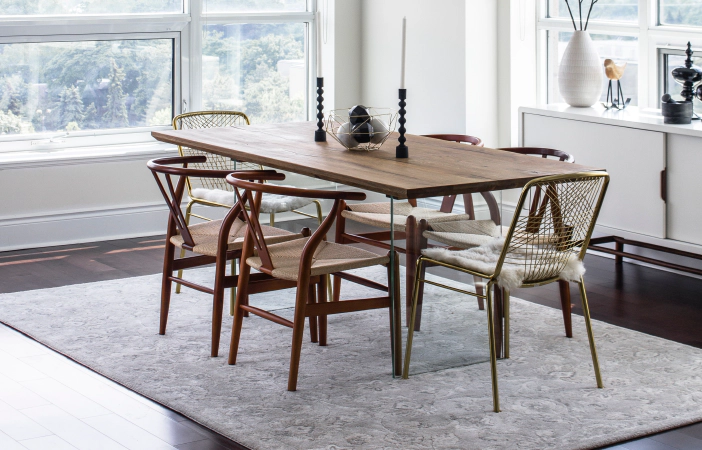
The influence of mid-century modern design can be seen not only in the realm of furniture and interior design but also in architecture. The clean lines, open floor plans, and integration of indoor and outdoor spaces revolutionized the way we approach the concept of living spaces. The simplicity and functionality of mid-century modern architecture continue to inspire contemporary architects and homeowners alike.
Another significant impact of mid-century modern design is its lasting popularity and appeal. Despite originating in the mid-20th century, this style has stood the test of time and remains a coveted aesthetic choice for many. Its timeless appeal lies in the ability to effortlessly blend functionality and aesthetics, creating spaces and objects that are simultaneously beautiful and utilitarian.
Mid-century modern design has also had a profound influence on other art forms, such as graphic design and visual arts. The iconic typography, vibrant color palettes, and minimalist yet expressive compositions have left an indelible mark on the world of visual communication.
In conclusion, the impact of mid-century modern design is undeniable. Its emphasis on creativity, individuality, and functionality continues to inspire and shape contemporary design trends. Whether it’s in the realms of furniture, architecture, or graphic design, the positive legacy of mid-century modern greats lives on, transforming the way we experience and appreciate the world around us.
The Functional Futurists: Prioritizing Efficiency and Practicality
The functional futurists of the mid-century modern era were not only concerned with aesthetics but also with efficiency and practicality. They believed that design should serve a purpose and enhance the functionality of everyday objects and spaces. Their philosophy embraced the integration of form and function, creating designs that were both visually appealing and highly utilitarian.
One of the distinguishing features of mid-century modern design is its emphasis on clean lines and simplicity. Functionality was at the forefront, with designers seeking to minimize unnecessary ornamentation and create objects that were streamlined and efficient. This focus on practicality extended to furniture, where modular pieces and multifunctional designs became the norm.
The integration of form and function in mid-century modern design can be seen in the careful consideration of materials and construction techniques. Designers sought to use materials that not only looked aesthetically pleasing but were also durable and long-lasting. They embraced new technologies and materials, such as molded plywood, fiberglass, and steel, to create innovative and functional designs.
The influence of the functional futurists can still be felt in contemporary design. The focus on efficiency and practicality continues to inspire modern designers who strive to create objects and spaces that are not only visually appealing but also serve a purpose. This notion of integrating form and function has become a fundamental principle in design, reminding us that beauty and utility can coexist harmoniously.
The Integration of Form and Function in Mid-Century Modern Design
Mid-century modern design is characterized by the seamless integration of form and function, representing a departure from traditional design approaches. This philosophy prioritizes both the aesthetics and practicality of objects and spaces, resulting in a harmonious balance between beauty and utility.
Designers of the mid-century modern era approached their creations with meticulous attention to detail, ensuring that every element served a purpose. The clean lines, organic shapes, and minimalist approach were not just for visual appeal but also aimed to enhance the functionality of the designs. Furniture, for example, was designed with ergonomics in mind, providing comfort and support while maintaining a visually pleasing aesthetic.
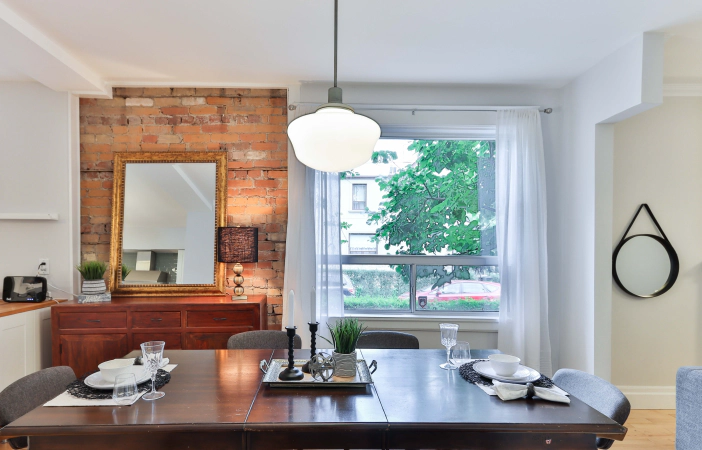
The integration of form and function in mid-century modern design extended beyond individual pieces to encompass entire spaces. Open floor plans and a seamless flow between indoor and outdoor areas became hallmarks of this design movement, creating environments that were not only visually cohesive but also optimized for practicality and usability.
The influence of this doctrine of form and function in mid-century modern design can be seen in contemporary design trends. The emphasis on simplicity, efficiency, and purpose-driven design continues to shape the way we approach architecture, furniture, and everyday objects. This integration of form and function ensures that our living spaces are not only visually appealing but also serve our needs, enhancing our overall quality of life.
In essence, the mid-century modern approach of integrating form and function has left an indelible mark on the design world. It reminds us of the importance of thoughtful design that goes beyond mere aesthetics, creating objects and spaces that are not only visually captivating but also enhance our daily experiences.
The Environmental Stewards: Promoting Sustainability and Nature
The mid-century modern greats were not only visionaries in terms of art and design, but also in their commitment to environmental stewardship. This philosophy embraced sustainability and the integration of nature into the design process, resulting in a movement that sought to harmonize human-made creations with the natural world.
The influence of nature in mid-century modern design can be seen in the materials and motifs used by designers of this era. Natural materials such as wood, stone, and rattan were prominently featured, adding warmth and an organic touch to the designs. The use of these materials not only enhanced the visual appeal but also reflected a desire to minimize the environmental impact of production.
Designers also drew inspiration from the forms and patterns found in nature. The curved lines, organic shapes, and biomorphic designs were reminiscent of the natural world, bringing an element of tranquility and serenity into the interior and architectural spaces. This integration of nature not only created visually stunning designs but also fostered a sense of connection and harmony between humans and the environment.
The influence of the environmental stewards of the mid-century modern era goes beyond aesthetics. Their commitment to sustainability and eco-conscious design resonates strongly with the current movement towards environmental responsibility. It serves as a reminder that design can be a powerful force in promoting a more sustainable and harmonious relationship with the natural world. Mid-century modern design continues to inspire contemporary designers to create spaces and products that are not only beautiful but also gentle on the planet.
The Influence of Nature in Mid-Century Modern Design
Nature served as a powerful source of inspiration for mid-century modern design, influencing both the aesthetic and philosophical aspects of this movement. The designers of this era sought to bring the beauty and tranquility of nature into their creations, resulting in a harmonious union between human-made objects and the natural world.
One of the ways nature influenced mid-century modern design was through the use of organic shapes and forms. Designers drew inspiration from the curves and contours found in the natural environment, incorporating these elements into furniture, lighting, and architecture. The fluid lines and biomorphic shapes created a sense of connection and harmony, fostering a serene and inviting atmosphere within interior spaces.
Natural materials played a crucial role in mid-century modern design, further emphasizing the influence of nature. Wood, stone, and rattan were often featured prominently, adding warmth, texture, and a grounding presence to the designs. These materials were not only visually appealing but also served as a reminder of the natural origins from which they came. The use of sustainable and eco-friendly materials aligned with the ethos of the environmental stewards of the mid-century modern era.
Beyond the visual aspects, the influence of nature in mid-century modern design also encouraged a deeper appreciation and respect for the natural world. The integration of natural elements and the promotion of sustainability reflected a growing awareness of the importance of environmental preservation. Mid-century modern design served as a vehicle for reconnecting humans with nature, reminding us of our profound interdependence and inspiring us to be better stewards of the earth.
There’s no doubt that the influence of nature in mid-century modern design was profound and far-reaching. From the organic forms to the use of natural materials, this movement embraced and celebrated the inherent beauty and wisdom of the natural world. Mid-century modern design continues to evoke a sense of harmony and balance, reminding us of the timeless principles that originate from the very essence of nature itself.